Brand Guide
Seaman Schepps
Founded 1904 · New York
Signature Collections
The Turbo Shell
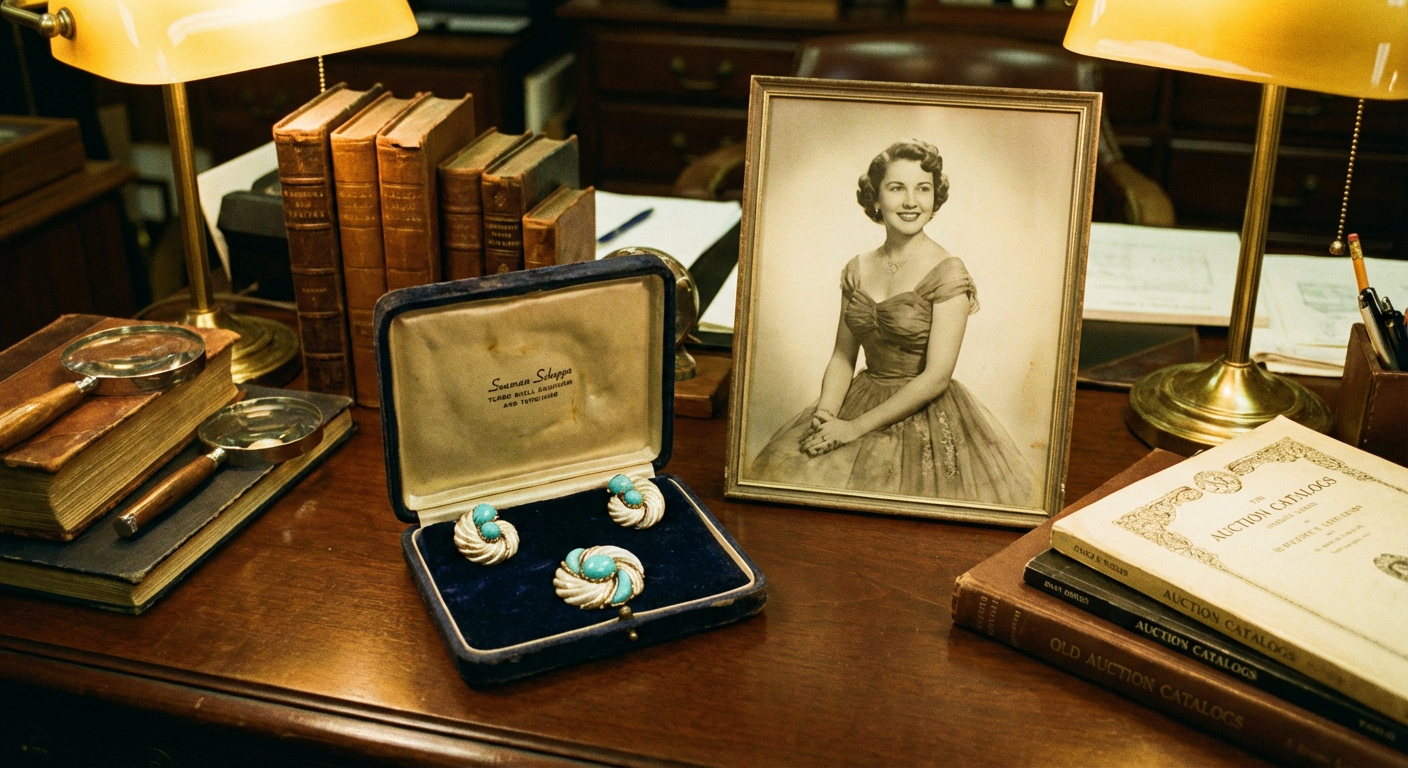
1940s–PresentThe ultimate high-society calling card. I buy early (1940s-50s) examples with the original natural patina on the shells. The minute the shells look bleached or perfectly matched like modern replacements, I walk away. Windsor wore these, and structurally, no one does the gold wire-wrapping around natural shell better.
The Cage Setting
1950s–1970sHis most architecturally inventive form. I actively hunt for these—hand-fabricated 18k gold wire cages holding a massive baroque pearl or carved colored stone. To sit down at a bench and fabricate this by hand today would easily double the wholesale cost. You're buying the labor of a bygone era for free.
Vintage Branch Coral & Turquoise
1940s–1970sSchepps understood how to elevate massive, organic materials into Fifth Avenue jewelry. I look for the 1960s coral suites; pre-1975 coral is legally uncomplicated to trade, and the lack of modern supply makes these legacy pieces a pure value play. Avoid anything that looks newly stabilized.
Authentication Guide
Hallmarks
- ◆Marks can vary widely, from 'Seaman Schepps' to simply 'Schepps', depending on the era.
- ◆You may also see individual stock or inventory numbers, though their absence is common.
What to Look For
- ✓Innovative, chunky use of natural materials like wood, shell, turquoise, and rock crystal.
- ✓Substantial wirework and bold, colorful, conversational designs.
Red Flags
- ✗Plastic or synthetic materials attempting to mimic their signature natural shells or woods.
- ✗Base metal testing where it should be 18k gold.
- ✗Glued stones rather than securely pinned or bezel-set elements.
Price Ranges
Best value era: 1940s–1960s
What Dealers Look For
As a smaller, highly creative American house, marking practices were fluid; embrace the variations.
Original paperwork is a nice-to-have but entirely unnecessary for collecting and enjoying vintage Schepps.
Focus on the tactile joy of the natural materials and the robust, confident construction quality.
Frequently Asked Questions
Currently Available